
Reviewed · HISTORICAL TOURS
Da Nang Epic History Tour by Cham Museum & Tasty Cuisine/Cafe
Da Nang’s most revealing sights are packed into this three-hour private walk, beginning with the remarkable Cham Museum and ending over a cup of coconut or salt coffee. You move from Hindu sculpture to Buddhist practice, wartime history, French colonial streets, and local food without leaving the city center.
I like the way the tour connects art to everyday life, rather than treating the museum as an isolated stop. I also like the food breaks: chicken or beef Pho, Hanoi herbal tea, and a Vietnamese coffee tasting give the walk a practical local flavor.
The main consideration is pace. There are several stops in a short time, and you will be walking between them. If you prefer long museum visits or plenty of free time at each sight, this tour may feel brisk.
Key points at a glance
- Cham sculpture collection: See antique Hindu and Cham stone works dating from the 7th to 14th centuries.
- Private guiding: Your group has its own English-speaking guide, with Hung Le named in the tour information.
- Local food stops: Taste Pho, Hanoi herbal tea, and either coconut coffee or salt coffee, depending on the selected option.
- Central Da Nang route: Visit An Long Pagoda, APEC Park, Dragon Bridge, Chicken Church, and Han Market on foot.
- Layered city history: Hear about the Cham Pa Kingdom, Mahayana Buddhism, French colonial trade, Chinese communities, and the Vietnam War.
- Simple meeting plan: Start and finish at the Da Nang Museum of Cham Sculpture, with no hotel pickup or drop-off.
Starting with Cham sculpture in Da Nang
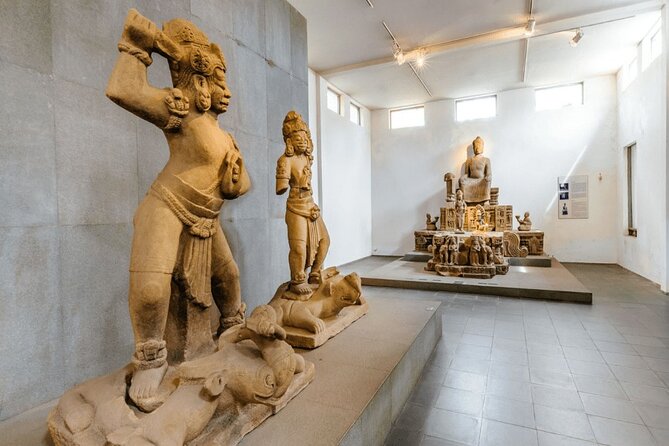
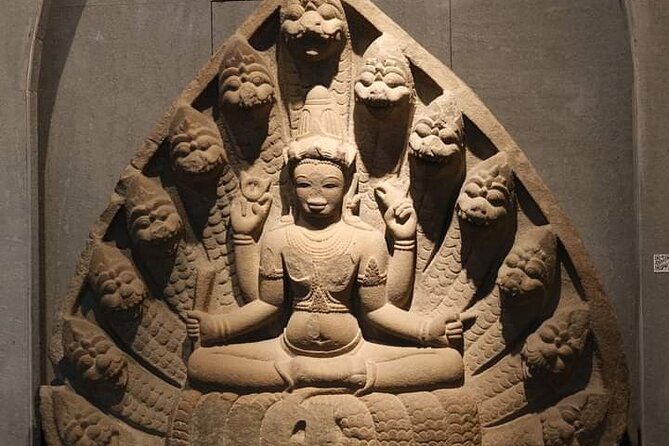
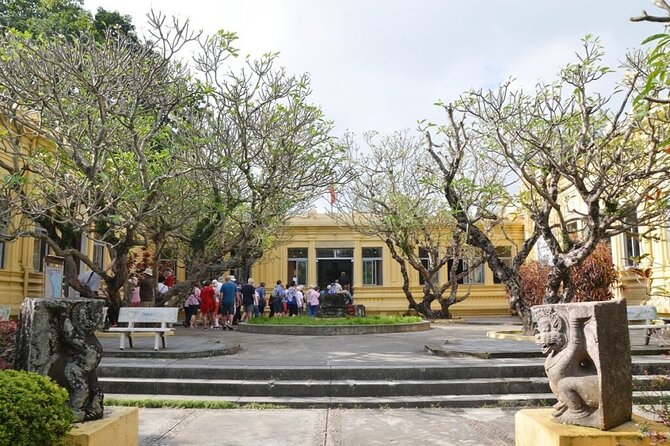
The tour opens at the Da Nang Museum of Cham Sculpture on 2 Thang 9 Street. This is the right place to begin because the city’s story reaches back well before modern Da Nang, French rule, or the war years.
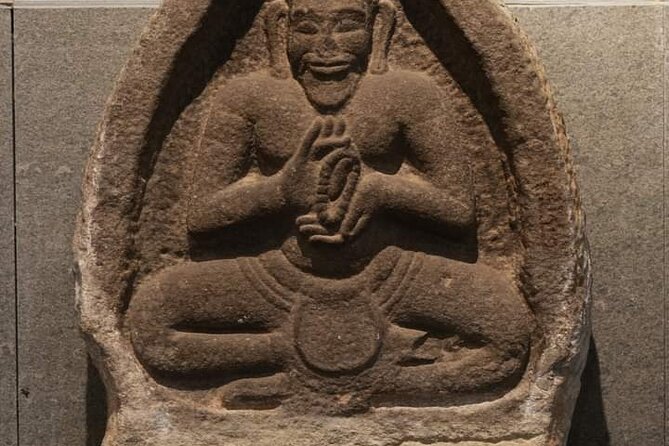
Inside, you see hundreds of antique stone sculptures connected with the Cham Pa Kingdom. The works date from the 7th to 14th centuries and reflect Hindu religious ideas that once shaped much of central Vietnam.
The museum is especially useful if you are visiting Hoi An or My Son. The tour links the sculpture collection with the My Son relics, located about 60 kilometers from Hoi An, so you gain context for the Cham sites you may see elsewhere in the region.
I would pay close attention to the guide here. A collection of stone figures can blur together without explanation. The value of a private English-speaking guide is the chance to ask why a particular figure matters, how Cham belief differed from later Vietnamese traditions, and how the kingdom fits into Southeast Asian history.
The museum is also the strongest stop for visitors who want substance rather than a quick city checklist. At the same time, the full tour lasts only about three hours, so you should not expect an exhaustive museum visit. The guide needs to balance the galleries with the rest of the route.
More museum trips in Da Nang:
- Experience Traditional Vietnamese Costumes at Dong Dinh Museum
★ 5.0 · 4 reviews - Cham Museum Hinduism Artstone & Marble Mountain By Private Tour
★ 5.0 · 4 reviews
An Long Pagoda and Buddhism in daily life
From the museum, the walk continues to An Long Pagoda, listed in the tour details as Long An Temple. This stop shifts the focus from the Cham kingdom’s Hindu sculpture to Mahayana Buddhism and local religious practice.
The important part is not only the temple setting. You hear how Buddhist beliefs affect ordinary life in Da Nang, including the local customs and ideas connected with worship. The tour promises stories behind those practices, which gives the stop more meaning than simply stepping inside, looking around, and leaving.
This contrast between Cham Hindu art and Vietnamese Buddhism is one of the tour’s best features. It helps you see that central Vietnam has never had just one religious story. Different kingdoms, beliefs, and communities have shaped the area over many centuries.
Because this is a walking tour, the pagoda visit also breaks up the museum time. You move from objects displayed indoors to a living religious site. The supplied details do not promise a ceremony or special access, so think of this as a guided cultural visit rather than a scheduled religious event.
APEC Park and the modern Han River
APEC Park brings the route into modern Da Nang. Its place on the schedule gives you a change of scale after the museum and pagoda, and it helps connect the older parts of the city with the broad Han River area.
The tour then continues toward Dragon Bridge, one of Da Nang’s most familiar landmarks. The bridge is described as 666 meters long and is presented as an important symbol of the city.
You should expect to admire the bridge and walk along the river rather than spend a long period at a formal attraction. The river walk is also used to discuss American-built infrastructure connected with the Vietnam War, when Da Nang served as a major military base before 1975.
That historical angle makes the bridge stop more worthwhile. You are not only taking a bridge photograph. You are hearing how the city’s location and infrastructure were tied to a difficult period in Vietnam’s past.
The tour information speaks openly about the effects of war on the older generation, including memories that still affect family life and sleep. That gives the historical discussion a personal direction. It is a serious subject, and the tone may feel heavier than the food stops that follow.
Pho at Da Nang’s old Hanoi Quarter
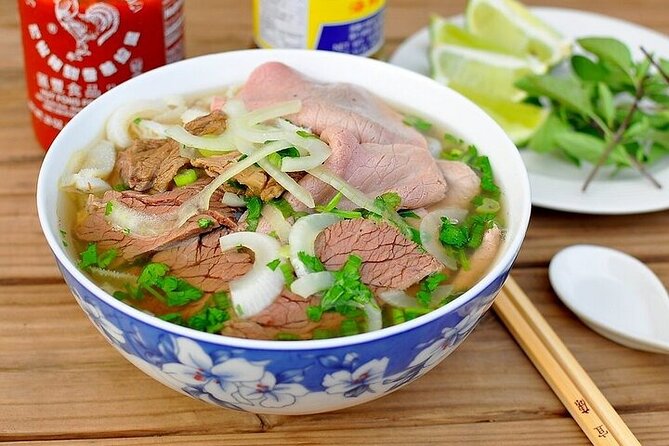
Food enters the tour at a quiet street corner described as Da Nang’s old Hanoi Quarter. Here you stop for chicken or beef Pho and Hanoi herbal green tea.
This is a useful choice because Pho is familiar to many people, but its place in Vietnamese food culture is worth discussing at the table. The setting is intended to connect the dish with a northern Vietnamese community living inside Da Nang, rather than presenting it as a generic meal for visitors.
Your included meal is modest, but it matters after several walking stops. A bowl of Pho gives you a proper pause and keeps the tour from becoming three hours of sightseeing on foot.
The food is also one reason the tour offers a different experience from a standard city history walk. You are not simply passing restaurants while a guide names dishes. The meal is built into the route, and the guide can explain how local communities and regional food traditions meet in Da Nang.
Still, do not book this expecting a full food tour. One Pho serving and tea are included. Any additional food or drinks are your responsibility, and the supplied information does not promise a series of restaurant visits.
More heritage trips in Da Nang:
- Hue Culture & History Day Tour – Departing Hoi An or Da Nang
★ 5.0 · 26 reviews - My Son Sanctuary And Hoi An Heritage Full-day Tour
★ 4.5 · 25 reviews - Da Nang: Full-day My Son Sanctuary And Hoi An Heritage Tour
★ 4.8 · 21 reviews - Da Nang War Tour History: Spanish-French Attack to American Base
★ 5.0 · 13 reviews
The pink Chicken Church and French-era Da Nang

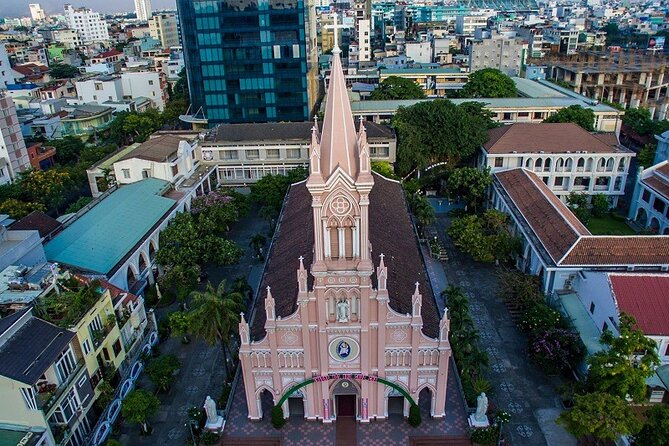
Da Nang Cathedral is better known locally as Chicken Church, a name linked to the rooster on top of the building. The tour includes a visit here after the Pho stop.
This is a short but useful reminder of the city’s French colonial past and its later Christian community. The church adds another layer to the route, following the Cham, Buddhist, and wartime sections with a place shaped by European colonial influence.
The attraction is not presented as a long interior tour. You should expect to see the cathedral and hear about its place in local life. Since the tour covers several central sights, the guide’s explanation is likely to matter more than the amount of time spent inside or around the building.
For me, the stop works because it prevents Da Nang’s past from being reduced to ancient sculpture and war history. The city also carries visible traces of French rule and the communities that followed.
Han Market and the Chinese community
The final major sightseeing stop is Han Market, described as the biggest market in central Vietnam and a French-built market from the colonial period.
Markets can be noisy and crowded, but here the main purpose is cultural explanation. You hear stories about the Chinese community living in Vietnam and its place in Da Nang’s commercial life.
This is where the tour’s themes come together. French administration shaped the market building, Chinese merchants and communities influenced trade, Vietnamese food fills the stalls, and the city developed around the river and port. You get a compact lesson in how people and commerce changed Da Nang over time.
The market is also a practical place to observe everyday city life. The information does not promise shopping time or a buying session, so you should not treat it as a dedicated market-shopping tour. If you want to browse every aisle, compare prices, or shop for gifts, you may need to return on your own.
Finishing with coconut coffee or salt coffee
The final tasting is coconut coffee or salt coffee, depending on the option you choose. Both are presented as distinctive Vietnamese coffee styles, and the tour uses the drink to return to the country’s past and the stories of earlier generations.
This ending gives the tour a relaxed close. After the museum, temples, bridge, church, and market, you can sit with a cold or sweet coffee and talk through what you have seen.
The coffee stop is included with the walking tour and cafe tasting option. A separate option includes a rice wine distillery visit and tasting instead, so check the option name carefully when booking. The supplied details do not say that both coffee and rice wine are included together.
I like this ending because it leaves you with a taste rather than another monument. It also suits Da Nang, where food and drink are part of understanding the city. Keep in mind that the tour’s serious discussion of war may continue into this final stop, so the coffee is not only a light refreshment.
What the $29 price gives you
At $29 per person, the tour offers a solid amount for a short private experience. The price includes the Cham Museum entrance, an English-speaking guide, Pho, Hanoi herbal tea, and the selected drink or rice wine tasting.
The private format is the biggest value point. Your group participates alone, so the guide can adjust explanations and answer questions without a large crowd. Hung Le is named as a guide, and one published response specifically praised his friendly, engaging approach and strong command of the subject.
The tour does not include pickup or drop-off. You must reach the Cham Museum independently, and the activity finishes back at the same meeting point. That is less convenient than a hotel-based tour, but it keeps the price lower and makes the starting plan clear.
Public transportation is nearby, and the central route suits anyone already staying in Da Nang. If you are coming from outside the city, allow extra time to reach the museum before the start.
The price also excludes any extra food, drinks, or tip for the guide. The included Pho and tastings provide enough for the scheduled route, but you should carry money if you want anything beyond them.
Who will get the most from this walk
I would choose this tour if you want a compact introduction to Da Nang that mixes culture, history, and food. It is especially useful at the start of a stay, when you want to understand the city before exploring on your own.
It suits people interested in:
- Cham art and the My Son connection
- Buddhism and local religious customs
- Vietnamese war history
- French colonial buildings and markets
- Chinese communities in central Vietnam
- Casual food and coffee tastings
The tour also works well for a private group that wants a guide’s attention. Families, couples, and friends can keep the experience focused on their own questions.
I would hesitate if your priority is a slow museum study, a long market visit, or a full food crawl. Three hours is enough for a useful overview, but not enough to linger everywhere. The walk also requires reasonable comfort with moving between several central stops.
The tour requires good weather. If poor weather causes cancellation, you are offered another date or a full refund. You can cancel for a full refund up to 24 hours before the start time, while changes or cancellations made later are not accepted.
My booking advice for Da Nang
I would book this experience if you want the city explained through several different lenses rather than through one major attraction. The Cham Museum gives the tour its strongest foundation, while the pagoda, market, river, church, and food stops show how Da Nang changed over time.
The best reason to choose it is the combination of a private guide and included tastings at a modest price. The main weakness is the compact schedule, so go in expecting a brisk introduction, not a slow cultural retreat.
Choose the cafe tasting option if coconut coffee or salt coffee appeals to you. Choose the rice wine option if that is more useful to your group, and check the exact inclusions before paying. Start at the museum on time, wear comfortable shoes, and leave your afternoon flexible if you want to revisit Han Market or spend longer at the Cham galleries.
FAQ
How long does the Da Nang history and food tour last?
The experience lasts approximately three hours.
Where does the tour start and finish?
It starts at the Da Nang Museum of Cham Sculpture at 2 Thang 9 Street and ends back at the same meeting point.
Is this a private tour?
Yes. Only your group participates in the private activity.
What food and drinks are included?
The tour includes chicken or beef Pho and Hanoi herbal green tea. The cafe tasting option includes coconut coffee or salt coffee. A separate option includes rice wine distillery access and tasting.
Is hotel pickup included?
No. Pickup and drop-off are not included. You must make your own way to the Cham Museum, which is near public transportation.
What happens if the weather is poor?
The experience requires good weather. If it is canceled because of poor weather, you can choose another date or receive a full refund. Free cancellation is available up to 24 hours before the start time.
New in Da Nang
- Transfer from Danang/Airport/Transtation to Hoi An by Private Car★ 5.0 · 9 reviews
- Walking Food Tour of Da Nang★ 5.0 · 9 reviews
- Da Nang Basket Boat Ride in Hoi An City with Release Lantern★ 5.0 · 3 reviews
- Marble Mountain -Buddha Statue -PeakMonkey Mountain -PRIVATE CAR★ 5.0 · 3 reviews
- Tasty Dinner Han River Dragon Cruise by Yatch & Tradictional Show★ 4.0 · 11 reviews
- Vietnam Central Private Package Tour★ 5.0 · 3 reviews
- Vietnam Airport Transfers★ 5.0 · 8 reviews
- Private Danang Hidden Food Walking Tours by Original Tastes★ 5.0 · 8 reviews
Historical Tours, compared.
Hue Culture & History Day Tour – Departing Hoi An or Da Nang
Read our review →
My Son Sanctuary And Hoi An Heritage Full-day Tour
Read our review →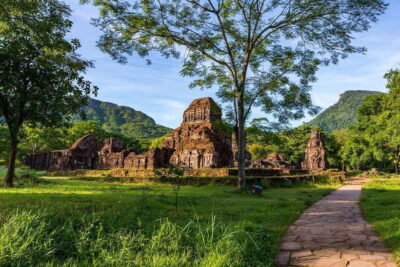
Full-day My Son Sanctuary And Hoi An Heritage Tour
Read our review →
Da Nang War Tour History: Spanish-French Attack to American Base
Read our review →
Charming Da Nang Show : Culture-Art-History-LifeStyle of Vietnam
Read our review →
My Son Holyland in the Early Morning-UNESSCO World Heritage Site
Read our review →Browse the lists this tour appears in